
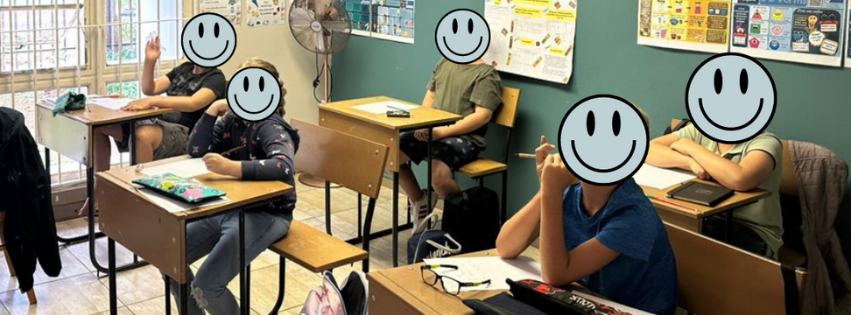
Raising a neurodiverse child, such as one with ADHD, autism, or synesthesia, brings unique joys and challenges. Each child’s experience of the world is distinct, shaped by their neurological differences, which can often make navigating everyday life more complex. In this context, two key elements—structure and good manners—become especially important. They not only help neurodiverse children thrive but also empower them to build meaningful relationships and successfully engage with the world around them.
The Role of Structure
Structure provides predictability, which is crucial for many neurodiverse children who may struggle with change or uncertainty. A well-defined routine can help reduce anxiety, making the world feel more manageable and safer.
Here’s why structure is vital:
Reduces Anxiety: Neurodiverse children often find comfort in routine. Knowing what to expect from their day can significantly reduce stress and anxiety. This predictability helps them focus on learning and personal development, rather than being overwhelmed by the unknown.
Encourages Independence: When a child knows the structure of their day, they can begin to anticipate what comes next and prepare for it. This not only fosters a sense of control but also promotes independence as they learn to manage their time and responsibilities.
Supports Learning: Consistency in routine supports cognitive development by reinforcing learning through repetition. Neurodiverse children often benefit from repeated practice of skills in a structured environment, where they can master concepts at their own pace.
Facilitates Emotional Regulation: Structure helps neurodiverse children regulate their emotions. Knowing the sequence of events allows them to mentally and emotionally prepare for transitions, reducing the likelihood of emotional outbursts or meltdowns.
The Importance of Good Manners
While structure helps neurodiverse children navigate their internal world, good manners guide their interactions with the external world. Teaching manners to neurodiverse children is essential for several reasons:
Enhances Social Interactions: Good manners provide a framework for social interaction, helping neurodiverse children understand societal norms and expectations. This understanding is crucial for building and maintaining friendships, which can be more challenging for children with neurodiversity.
Builds Confidence: When neurodiverse children know how to behave appropriately in various social settings, they feel more confident. This confidence can encourage them to engage more actively with peers and adults, facilitating social and emotional growth.
Promotes Respect and Empathy: Teaching manners is not just about following rules; it’s about fostering respect and empathy. Neurodiverse children who are taught to consider others’ feelings and perspectives are better equipped to form positive relationships and navigate social complexities.
Prepares for the Future: Good manners are life skills that extend beyond childhood. As neurodiverse children grow, their ability to interact politely and respectfully with others will be crucial in school, the workplace, and other areas of adult life.
Balancing Structure and Flexibility
While structure and good manners are vital, it’s important to balance them with flexibility. Every neurodiverse child is unique, and what works for one may not work for another. It’s crucial to tailor routines and behavioral expectations to the individual needs of the child, allowing for adjustments as they grow, and their needs evolve.
For instance, while a strict routine might benefit one child, another might thrive with a looser structure that allows for spontaneity. Similarly, while teaching manners, it’s important to recognize the child’s communication style and social comfort level, adapting expectations to their abilities and ensuring that learning is a positive experience.
Conclusion
For neurodiverse children, structure and good manners are more than just tools for surviving daily life; they are foundational elements for thriving in a complex world. Structure provides the safety and predictability these children need to feel secure, while good manners equip them with the social tools to connect meaningfully with others. By nurturing these aspects, parents and educators can help neurodiverse children develop the skills and confidence needed to navigate their unique paths with success and joy.
/End